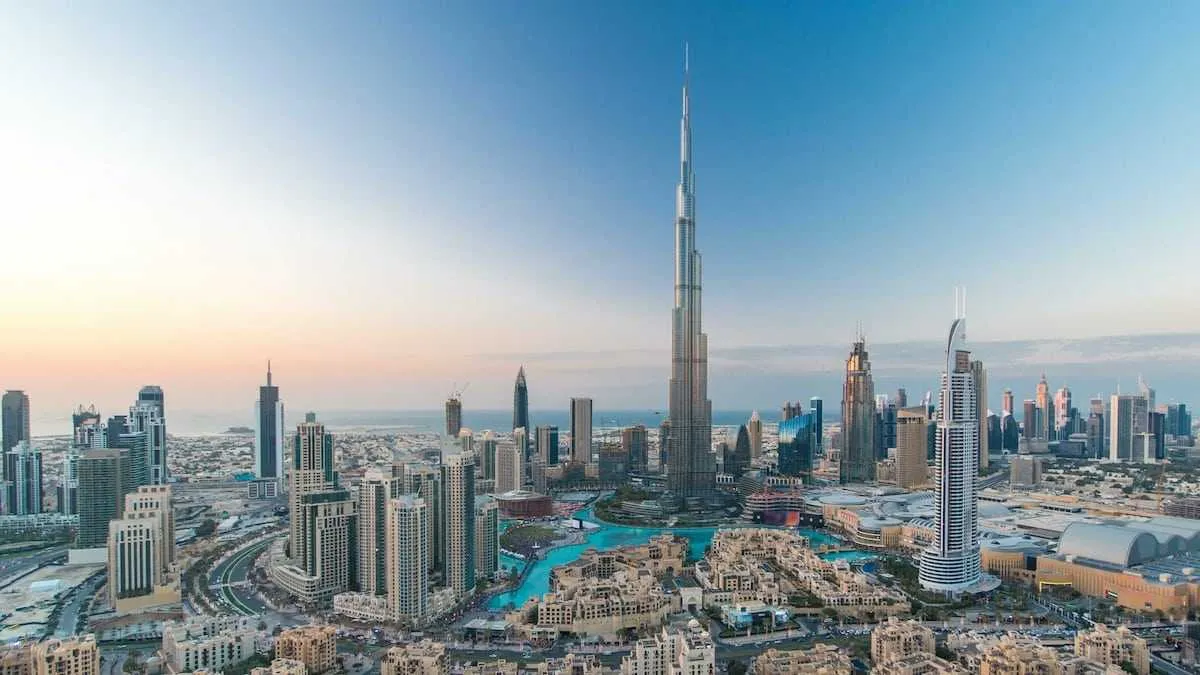
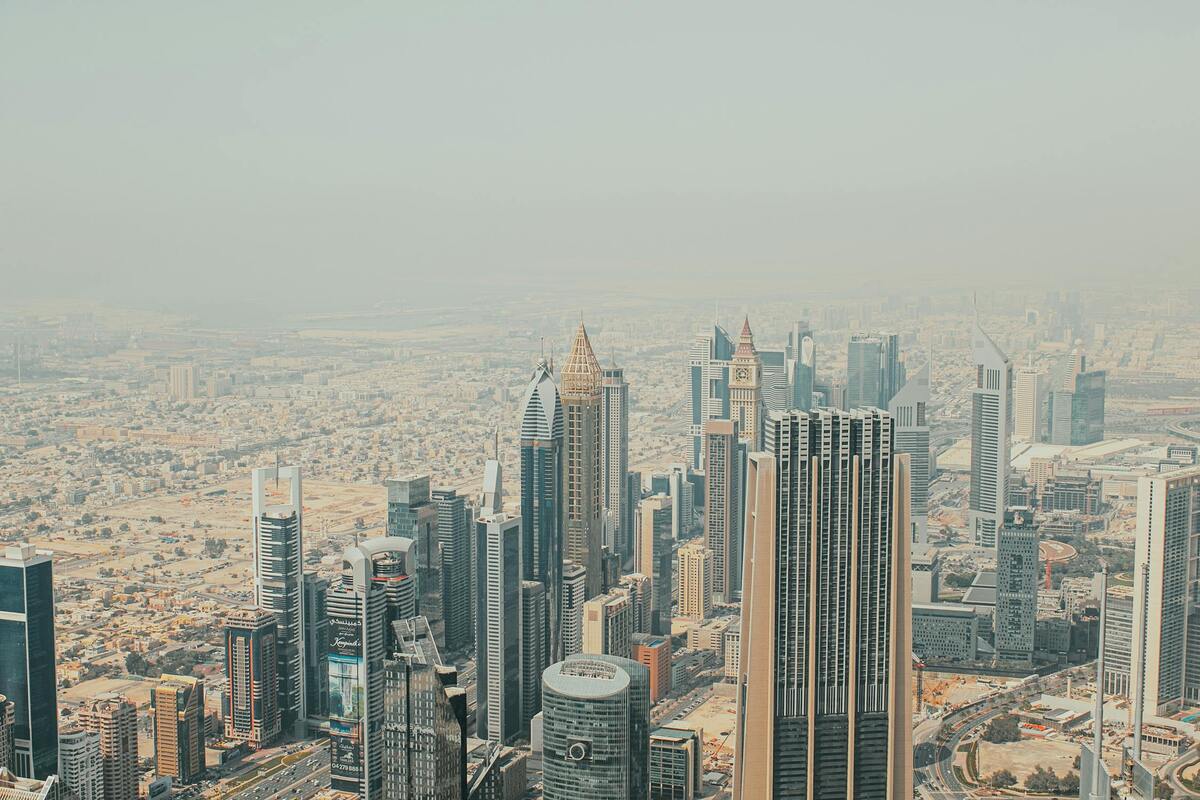
The Dubai property investments therefore saw record highs. The residential prices also climbed significantly. And the rental rates have also shown signs of moderation. So all of this reflects a market that is thriving on both opportunity and strategic growth. 2026 has basically marked a defining moment in the United Arab Emirates real estate market.
Population Growth Driving Housing Demand

One of the strongest drivers behind the 2026 real estate boom was sheer population growth. Dubai alone welcomed roughly 1,000 new residents per day. And that created a pressing need for housing at all levels.
On top of this, around 10,000 millionaires have moved to the UAE last year. This boosted demand for luxury and waterfront properties. Now this dual force of expanding population and wealthy migration fueled activity. We could see it across mid-range apartments and ultra-prime estates alike. This significantly increased the status of the market as both vibrant and competitive.
Record Transactions and Dubai Property Investments
The residential sector of Dubai has broken records throughout 2026. Q3 alone saw 55,300 transactions according to Cavendish Maxwell. Property Finder also reported an even higher 59,044 deals, which was basically a quarterly high.
Off-plan properties dominated the scene. They have been accounting for over 70% of all sales. It is mostly driven by flexible payment plans and strong investor interest. Residential prices have surged roughly 16% year-on-year. And if we talk about the ready-property sales they have softened slightly. We can see the sensitivity of buyers about the rising price in this situation.
Understanding Off-Plan Market Trends Across the Emirates
| Emirate | Transactions | Annual Price Growth | Rental Growth | Off-Plan Share (%) |
| Dubai | 55,300 – 59,044 | 16% | 8–12% | 70% |
| Abu Dhabi | 7,154 | Up to 276% (selected projects) | 11–13% | 73% |
| Ras Al Khaimah | 13,000+ units | 18% | 12% | 65% |
| Sharjah | 13,000+ units | 12% | 10% | 60% |
| Al Ain | - | Stable | 8–9% | 55% |
Dubai and Abu Dhabi dominate the off-plan activity. This is because of the high demand from investors. They are usually attracted to the flexible payment plans. Moreover, the premium waterfront developments have always been in demand.
If we consider Sharjah and Al Ain now these are smaller markets. However, they show steady interest which is mostly driven by affordability. The family-focused communities and government-backed housing projects are also a growth factor. All of this clearly reflects the diverse real estate growth of the UAE.
Rising Supply and Market Balance
As we know the demand for properties soared but the supply also began catching up. New homes were being built and delivered.
Q3 2026 saw 9,400 new units delivered. Fitch and Moody have also projected 150,000–250,000 additional units between 2026 and 2027.
Now that more mid-range homes are being built, the prices in this segment are expected to stay stable and grow more slowly. But luxury and waterfront properties are still highly sought after, so their prices are likely to stay strong
Surveys have also revealed that over half of the residents of Dubai are planning to purchase a home within the next three years. This clearly highlights the sustained appetite for real estate despite rising options.
Rental Market Trends
Rental growth has shown early signs of stabilization. Apartment rents have now increased by 2% and villa rents by 4% in Q3. It is lower than the rapid growth of previous years. And as the new supply will continue into 2026 the rental rates might stay the same and stable. This condition provides more predictability for both tenants and investors.

The UAE office market remained one of the tightest globally. The occupancy rate for the Grade-A office reached 94%. The rents climbed nearly 29% year-on-year. Transaction values also surged 87% in Q3. All of this was because of the strong demand and limited availability. Analysts have anticipated that the limited supply until 2027 will continue to favor landlords. And this would perform well particularly in the prime commercial hubs.
Abu Dhabi and Northern Emirates Insights

Abu Dhabi has basically enjoyed its strongest year on record. The off-plan sales contributed to up to 73% of the transactions. Moreover, some apartment values also surged by up to 276%.
The key rental segments also grew to 11–13%. And the prime office space in ADGM neared full occupancy.
Meanwhile, the Northern Emirates have expanded rapidly. Ras Al Khaimah saw 18% growth in price and Sharjah saw 12%. Al Ain maintained stable performance. The luxury waterfront projects, particularly in Ras Al Khaimah, also attracted nearly 80% of foreign buyers.
Luxury Market Highlights

The ultra-prime areas of Dubai including Palm Jumeirah and Dubai Hills, have experienced a good annual growth of 15–30%. This growth is supported by continuous interest from international global investors and a limited supply. Although the mid-market inventory is rising, the luxury and waterfront properties are expected to maintain their strength well into 2026.
Outlook for 2026
Experts say that the UAE real estate market will enter a more balanced and mature phase. The price growth may soften by up to 15% in mid-market segments. Although the demand from residents and international investors will continue to support both residential and commercial markets.
The focus is shifting from record-breaking growth now towards a sustainable and strategic development. This gives off a long-term appeal of the UAE real estate market for Dubai property investments and the wider real estate market.