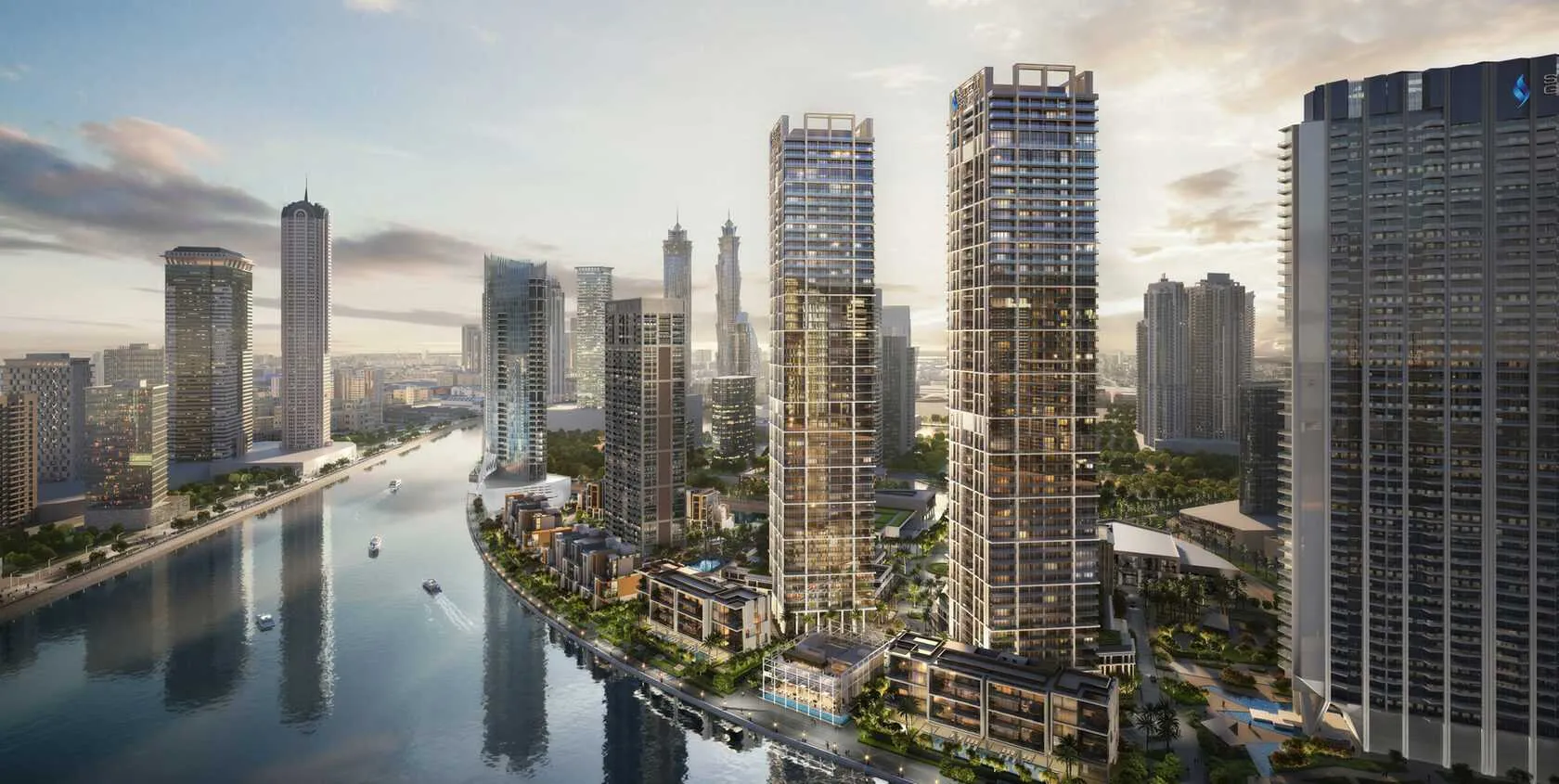
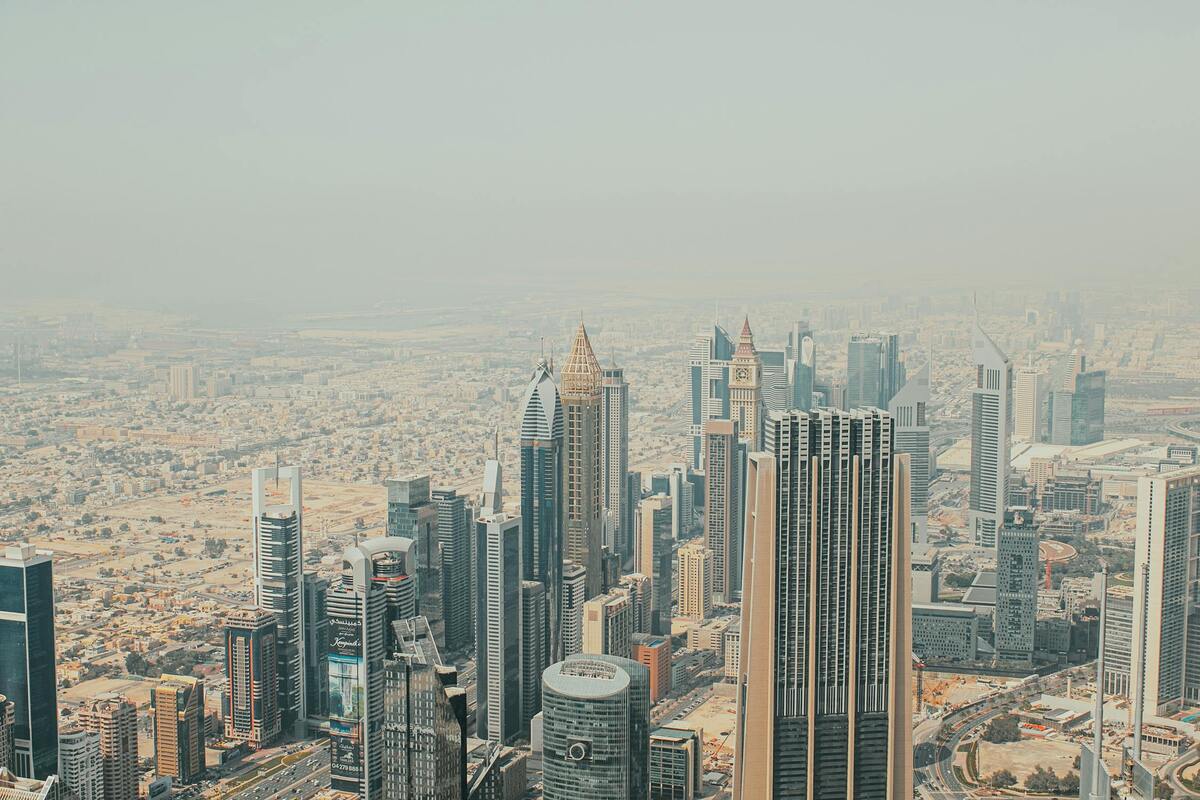
If you've been shopping for an off-plan unit in Dubai lately, you've probably noticed something odd. That "entry-level" launch price you were expecting, the one that used to sit comfortably below secondary market values,isn't quite as low as it used to be. You're not imagining it, and you're not just seeing pricier listings by chance. There's a real, measurable story behind it, and it comes down to one thing: the Dubai construction cost impact on how developers price, structure, and deliver every off-plan project hitting the market this year.
This isn't a small, temporary change either.This is happening because:
- Materials are more expensive.
- Skilled labor is harder to find.
- Contractors have the upper hand in negotiations for the first time in years.
And all of that is filtering directly into launch prices, payment plans, and even the size of the units being built. So if you're eyeing a townhouse in Dubai Hills Estate, an apartment overlooking the water in Dubai Creek Harbour, or an affordable unit in JVC, understanding what's driving these numbers has become essential and not optional for anyone buying or investing in Dubai real estate right now.
Let's break down what's actually happening, why it's happening, and what it means if you're trying to decide between off-plan and ready property in 2026.
Why Construction Costs Are Climbing So Fast
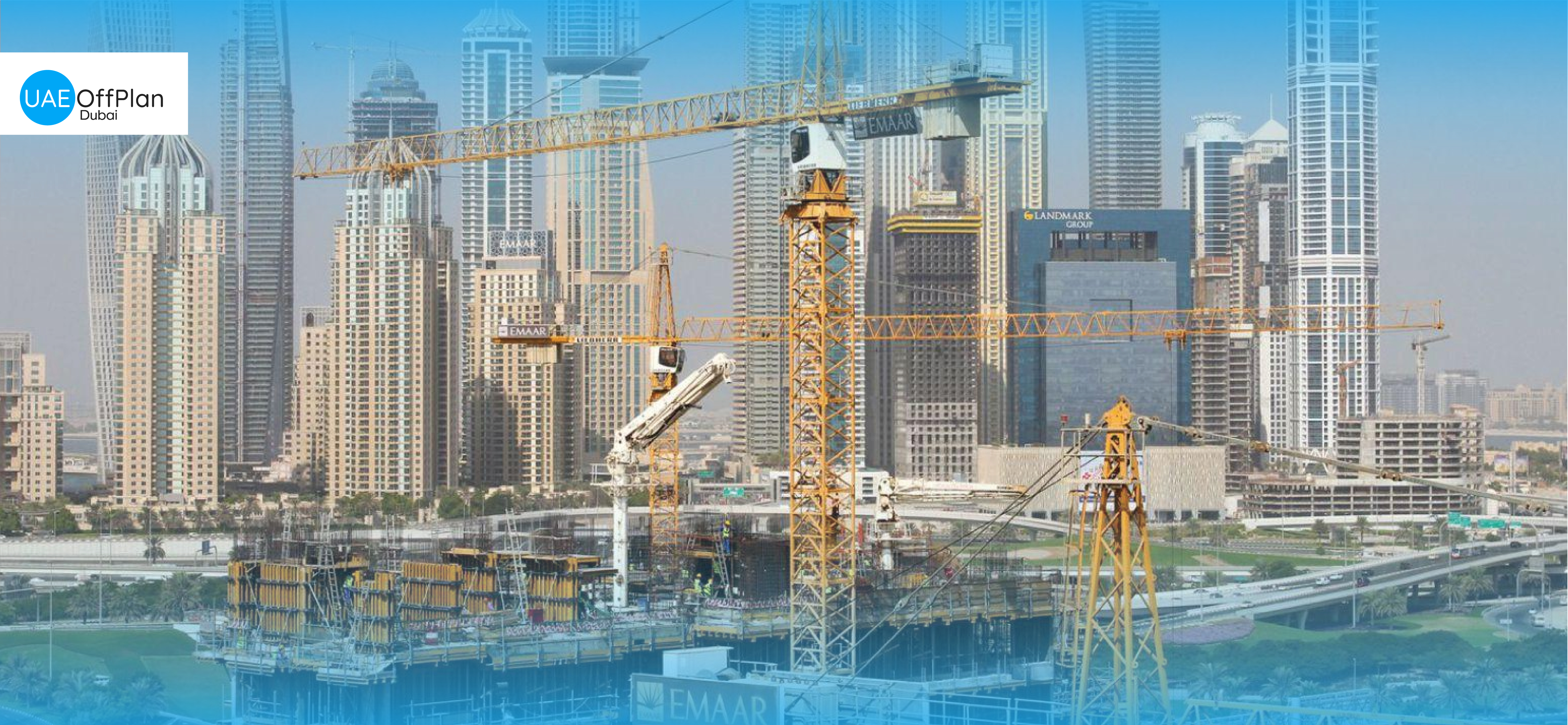
Start with the raw numbers, because they tell you most of what you need to know.
The “Raw” Numbers
Dubai's construction cost index climbed 5.2% year-on-year in the first quarter of 2026, according to industry data reported by AGBI. That figure alone might not sound alarming, but the breakdown underneath it is where things get uncomfortable. Raw material costs for residential projects rose more than 8%, and non-residential materials climbed close to 9%.
Some categories are moving even faster. Block works, which are the basic wall-and-structure component of nearly every building, jumped almost 25% year-on-year. Mechanical systems, particularly air conditioning, are now running over 40?ove where they sat back in 2021. That's not inflation. That's a fundamental repricing of what it costs to put a building together in this city.
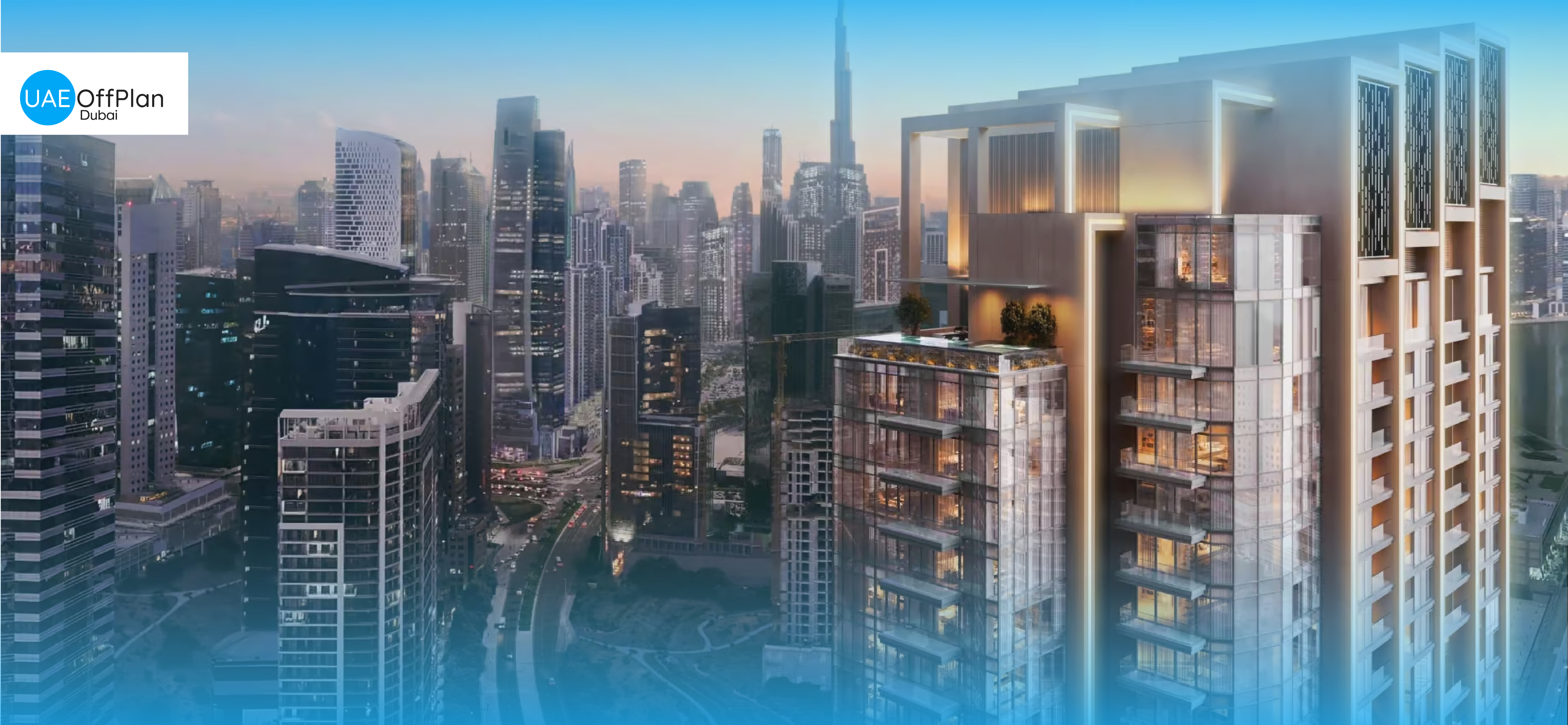
Abu Dhabi is seeing a similar pattern, with electrical materials up around 14% annually and finishing materials climbing 11% in a single quarter. This tells you it isn't a one-off issue tied to a single emirate or project type, but rather, it's structural, and it's happening across the entire construction costs Dubai real estate ecosystem.
Rise In Global Commodity Pricing
So what's behind it? A big part of the answer is global commodity pricing. Copper is up over 12% year-on-year, and crude oil has climbed more than 13%. Since steel, aluminum, and copper are all energy-intensive to produce and are traded on global markets, oil price swings ripple straight through to the cost of a construction site in Dubai.
Separately, developer Grovy has put a slightly wider figure on it, with its CEO telling regional media that material costs across major categories are up somewhere between 12% and 18?pending on the category, from foundational structural work through to final finishes.
Rising Manpower Costs
Layer onto that a labor and contractor squeeze that traces back to the pandemic. Plenty of major contractors left the UAE during COVID and simply never returned, leaving a smaller pool of firms who now hold real pricing power. Manpower costs in Abu Dhabi have climbed in nine of the last eleven quarters, and those wage increases get passed straight through to developers with very little room to negotiate.
Rising Land Prices
Add rising land prices, which are up roughly 21% over the past year in Dubai and you start to see why the old Dubai off-plan pricing 2026 playbook no longer works the same way.
The Link Between Construction Costs and Off-Plan Launch Prices Dubai
For years, buying at off-plan launch prices Dubai in Dubai meant getting a discount. Developers would launch projects below the value of comparable ready units, essentially using buyer deposits to help fund construction while offering investors an incentive to get in early. That was the deal, and it worked because construction costs were relatively predictable.
That equation has shifted. Dubai off-plan pricing 2026 at launch are increasingly reflecting actual build economics rather than aggressive introductory discounting. Developers are now baking in material cost volatility, labor inflation, financing expenses, escrow compliance costs, and longer construction commitments right into the initial launch price and not adding them later as surprises.
The practical result is that many new launches are entering the market at meaningfully higher starting prices than similar projects from just three or four years ago. Units in Dubai Creek Harbour prices and Dubai Hills Estate pricing, for example, are now launching at premiums that used to be reserved for near-completion properties. In these master communities, developers are increasingly benchmarking launch prices against expected future delivery values rather than historical comparables from a few years back.
What this means in practice is a narrowing gap between off-plan and ready property. In several mid-to-prime areas,off-plan launch prices Dubai are only modestly below what similar units cost on the secondary market, especially once you factor in branded residences or premium amenity packages. It's a genuine shift in the off-plan vs ready property Dubai debate, and buyers who assumed off-plan would automatically be the cheaper route are having to rethink that assumption.
To be fair, not every price increase here is opportunistic. Developers genuinely cannot deliver 2022-level specifications at 2022-level prices while still making a viable margin. The Dubai construction cost impact is a real constraint on feasibility, not just a convenient excuse.
How Developers Are Splitting Into Two Camps
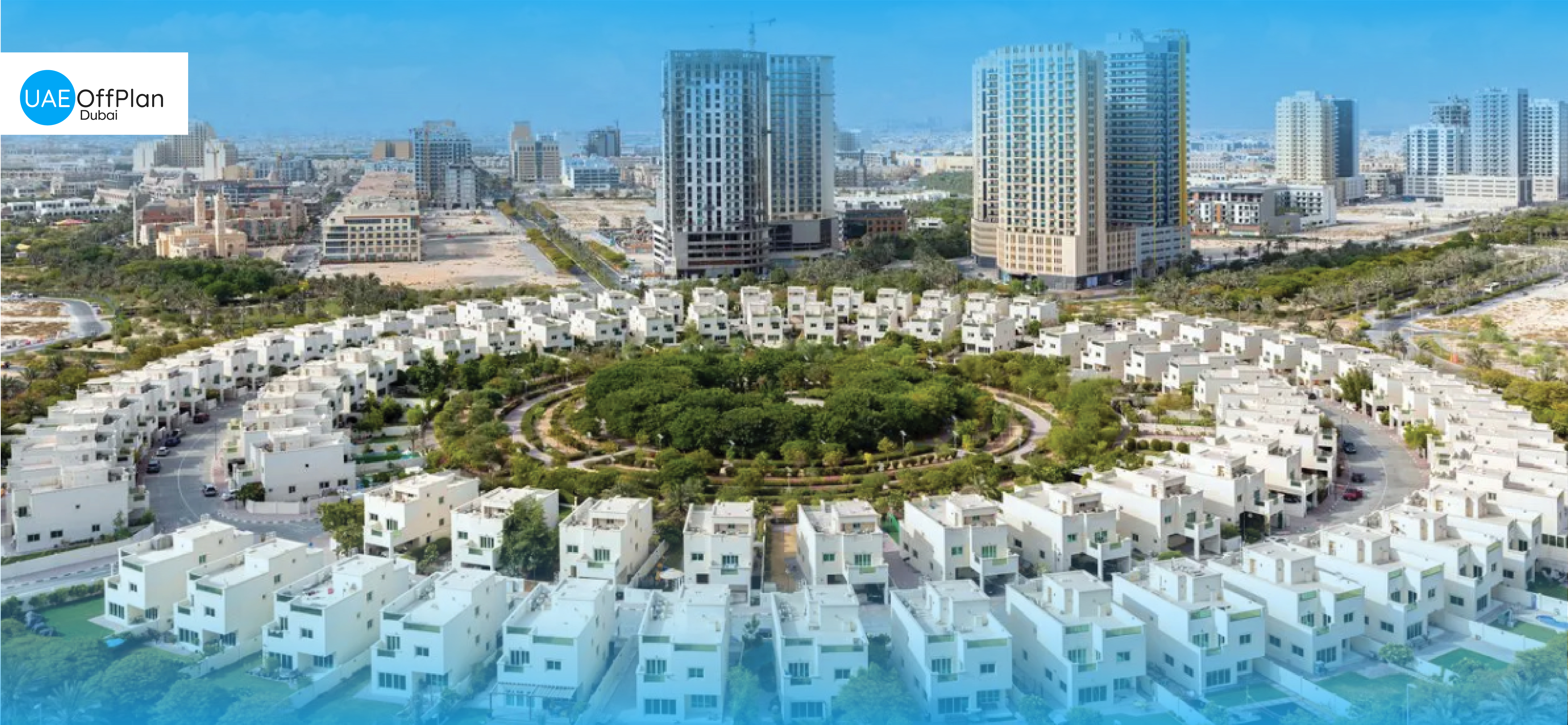
Not every developer is handling this the same way, and that's created a fairly clear split in the market.
Well-Capitalized Master Developers
Large, well-capitalized master developers, the ones with land banks, bulk contractor agreements, and strong financing relationships have more room to absorb part of the cost increase. They can moderate price growth and keep absorption rates healthy because their scale gives them leverage the smaller players simply don't have.
Mid-size Developers
Boutique and mid-size developers are in a tougher spot. With less room to eat rising costs, many are passing the bulk of the increase directly to buyers through higher launch prices. Others are getting creative instead of simply raising the sticker price. They are shrinking unit sizes slightly, simplifying facade details, adjusting amenity packages, or optimizing floor plans for greater efficiency. This is especially visible in communities like JVC, Dubailand, and Dubai Sports City, where affordability is still the core selling point and developers can't just tack on a blunt price hike without losing buyers.
The Developers’ Side Of The Story
There's a parallel story on the industry side, too. Alec Holdings, which is a major contracting firm backed by Dubai's sovereign wealth fund, posted an 87% jump in first-quarter revenue in 2026, which sounds fantastic on paper. But its core building division margin stayed flat at 6.8%, and its energy division margin actually fell from 8.7% to 2.9%. More work isn't translating into more profit. That single data point captures the entire dynamic: rising costs are compressing margins across the industry, and that pressure eventually has to land somewhere, either on the developer's balance sheet or on the buyer's price tag.
Interestingly, not everyone agrees prices should rise in lockstep with costs. Grovy Developers’ leadership has argued publicly that off-plan prices shouldn't simply climb because materials cost more, since the market doesn't have the room to absorb that kind of increase. Their view is that pricing is tied more closely to rental value than to construction cost inflation, meaning fewer launches and slower delivery timelines are the more likely outcome, rather than sudden sticker-price jumps across the board. It's a useful reminder that this isn't a settled, one-directional story and there's real debate among developers about how much of this cost pressure should actually reach the buyer.
Why Dubai Payment Plans 2026 Look Different
If launch prices are climbing, developers still need a way to keep projects attractive to buyers and that's where payment plans come in. Rather than pushing down payments aggressively, many developers are reshaping the entire payment structure instead.
A few clear patterns have emerged this year:
Longer Post-Handover Plans
Instead of the traditional 60/40 split, extended post-handover structures spanning three to five years after completion are becoming far more common, softening the blow of a higher headline price.
Lower Entry Points
Some projects are now launching with booking requirements as low as 5% or 10%, letting buyers preserve liquidity even as overall unit values climb.
Tighter Construction Timelines
Developers are also trying to compress delivery schedules to reduce financing exposure and reassure buyers who are wary of delays since a delayed project is exactly where rising costs bite hardest.
For anyone buying in Dubai South, Meydan, or Expo City Dubai, payment flexibility has become almost as important as the price itself. But there's a catch worth flagging: an attractive payment plan can sometimes mask a higher overall purchase cost. A smaller monthly commitment doesn't automatically mean you're getting better value , it just means the cost is being spread out differently. Read the full payment schedule, not just the headline entry percentage, before you commit.
Are Buyers Actually Getting More for Their Money?

This is the question that matters most, and the honest answer is: it depends entirely on the developer. In premium areas like Downtown Dubai, Palm Jumeirah, and Dubai Harbour, higher prices often do correspond to genuinely better finishing materials, smarter layouts, improved sustainability standards, premium appliances, and stronger amenity packages. Some developers are also leaning into snag-free handovers as a competitive differentiator, since buyer expectations around delivery quality have risen considerably.
But that's not universal. In some cases, developers are simply passing through higher construction costs without meaningfully upgrading the product. That makes due diligence essential rather than optional. Before signing anything, it's worth comparing:
- The developer's track record on past projects
- Handover reputation and how closely delivered units matched the marketing materials
- Maintenance standards after handover
- Real usable square footage, not just headline unit size
Don't assume every premium-priced launch automatically delivers premium value, because sometimes a higher price is just a higher price.
Which Communities Are Feeling the Most Pricing Pressure
Some pockets of the market are absorbing this shift more visibly than others.
Dubai Hills Estate
Dubai Hills Estate Pricing continues climbing as the community's premium positioning and high-spec finishes push launch values upward and this is one of the clearest examples of build quality expectations directly driving price.
Dubai Creek Harbour
Dubai Creek Harbour Prices are being shaped by the scale of the waterfront infrastructure involved. Large-scale marine and public realm work is expensive, and that shows up in unit pricing.
Palm Jebel Ali
Palm Jebel Ali is seeing similar pressure thanks to its luxury positioning and the sheer scale of infrastructure investment required for a project of that ambition.
Business Bay
Business Bay continues to carry high construction-quality expectations given its mixed-use, central location and developers there don't have much room to cut corners without losing buyer confidence.
Jumeirah Village Circle (JVC)
Jumeirah Village Circle (JVC) is a slightly different story because developers there are under real pressure to hold the line on affordability even as costs rise, since JVC's whole appeal is built around accessible entry prices.
Dubai South
Dubai South is benefiting from aviation and logistics-driven infrastructure growth, which is supporting long-term pricing even while affordability concerns persist in the near term.
If you're actively comparing off plan projects in Dubai across these areas, it's worth treating each community as its own micro-market rather than assuming a single citywide trend applies evenly everywhere.
What This Means for the Dubai Property Price Forecast
Zooming out, what does all this mean for anyone trying to read the Dubai property price forecast over the next year or two?
For Investors
For investors, the picture is genuinely mixed. Higher launch prices can compress short-term upside if capital appreciation doesn't keep pace with the higher entry point. On the other hand, tighter construction economics and a more constrained pipeline of new supply may actually support long-term price resilience as fewer projects launching means less competition for the units that do get built. Rental demand remains strong across Dubai Marina, Downtown Dubai, JVC, and Business Bay, which continues to underpin investment attractiveness even as launch prices rise.
For End-users
For end-users, the decision increasingly comes down to a straightforward trade-off between affordability today and value tomorrow. Paying more now can secure better build quality, a stronger community, lower long-term maintenance risk, and better resale demand down the line, but that's only true if the developer is actually delivering on those promises rather than just charging more for the same product.
There's also a structural angle worth understanding: industry projections suggest UAE-wide construction costs could rise a further 4.5% through the remainder of 2026, even as the broader construction market itself is expected to grow substantially, with one industry estimate putting the UAE construction sector's growth at around 22%, reaching close to AED 190 billion this year. These rising costs alongside continued growth and demand is exactly why so many developers are now shifting focus toward higher-margin luxury projects rather than mass-market residential, since luxury buyers tend to absorb a 5-10% price increase far more easily than a first-time buyer working with a tight budget.
For anyone buying off-plan, there's also good news worth remembering:
- Escrow protections through the Dubai Land Department remain fully in effect.
- Developer access to buyer funds is still tied to verified construction milestones.
This means the bigger risk in this environment is a construction delay, not a lost deposit. That's a meaningful distinction, and it's one reason experienced buyers aren't panicking over cost headlines,they're just being more selective about which developer they trust with their money.
Off-Plan vs Ready Property: How to Think About the Choice in 2026

Given everything above, how should a buyer actually decide between off-plan vs ready property Dubai right now?
If Cash Flow Flexibility Matters Most to You, Off-plan still has an Edge.
The payment plan structures described earlier mean you can spread cost over several years, sometimes with a large chunk due only after handover. But you're taking on delivery risk, and in a market where costs are rising, delays are the thing to watch for, not project failure.
If You Want Immediate Rental Income
If you want immediate rental income and want to sidestep construction risk altogether, ready property remains the more straightforward option because you know exactly what you're getting and when, and you can start generating yield right away. The trade-off is a higher upfront capital requirement and less room to benefit from potential appreciation between launch and completion.
Neither option is universally "better" because it depends on your investment horizon, risk tolerance, and how much you value flexibility versus certainty. What has changed in 2026 is that the price gap between the two options has narrowed, which makes the decision less about chasing an off-plan discount and more about comparing actual long-term value.
Quick Comparison: Off-Plan vs Ready Property in Dubai (2026)
| Factor | Off-Plan Property | Ready Property |
| Payment flexibility | High, extended post-handover plans, 3-5 year spread | Low, mostly upfront payment or standard mortgage terms |
| Rental income | None until handover | Immediate |
| Delivery/delay risk | Higher, tied to construction timelines and cost pressures | None because property already exists |
| Price vs market value | Narrowing gap to ready property in 2026 | Reflects current market value |
Key Takeaways
The Dubai construction cost impact isn't a passing headline. It's actively reshaping how off-plan pricing works across the city. Rising material, labor, and land costs are pushing launch prices higher in many communities, while developers respond in different ways depending on their scale, financial strength, and philosophy on cost pass-through. Some are absorbing part of the burden to stay competitive; others are adjusting pricing or redesigning projects to manage margins.
Payment plans are stretching longer and becoming more flexible to preserve affordability, but a longer payment plan doesn't automatically mean better value and a higher price doesn't automatically mean better quality either. The smartest move for buyers and investors heading into the rest of 2026 is the same as it's always been: compare developers carefully, look past the headline price to the actual specification and track record, and make decisions based on long-term fundamentals rather than launch-day hype.