Everyone wants to buy an apartment. Almost nobody asks how to buy the ground it's sitting on. That's changing. More investors are choosing to buy land in Dubai rather than wait for a developer to hand over a finished product, and honestly, it makes sense once you think it through. You're not paying someone else's margin for design, construction, and marketing. You're building the asset yourself, on your terms, on your timeline.
Still, deciding to buy land in Dubai isn't the same transaction as clicking "buy" on a listed apartment. There's zoning to check, freehold status to confirm plot by plot, and a construction budget that has to sit alongside your purchase price. None of that is complicated once you know what to look for,but skip a step and you can end up with a plot that's legally yours and practically useless for what you had in mind.
This guide walks through what it actually takes to buy land in Dubai in 2026: where prices sit right now, which Residential Areas in Dubai and commercial districts are worth a serious look, and the legal groundwork that separates a smooth purchase from a headache.
Why More People Are Choosing Land Over a Ready Unit
Dubai's property market has had five record-breaking years in a row, and land has quietly become one of the more interesting corners of that story. A few things are pushing this shift:
- First: there's no income tax on rental returns and no capital gains tax on resale, which is a structural advantage that simply doesn't exist in most cities where investors would otherwise be shopping.
- Second: the freehold map keeps expanding. Areas that were off-limits to foreign ownership a decade ago like Nad Al Sheba, Al Jaddaf, Wadi Al Safa have since opened up, which means the pool of places where you can genuinely buy land in Dubai as a non-UAE national is larger than most people realise.
- Third: and this is the one people underestimate: infrastructure is moving fast, particularly around Al Maktoum International Airport and the Dubai South corridor. When a city is actively pouring money into roads, transit, and airport capacity, land near that activity tends to appreciate well before the buildings around it do. Buying early, before the infrastructure is finished, is essentially a bet that the city keeps its promises ,and so far, in Dubai's case, that bet has paid off more often than not.
Put simply, if your goal is to buy property in Dubai with real control over the outcome, including the layout, the finish, the eventual use, land gets you there in a way a finished apartment never will.
Freehold, Leasehold, and the One Rule You Can't Ignore
Here's the rule that trips up more first-time buyers than anything else: as a foreign national, you can only own land outright in Dubai's designated Free Hold Areas in Dubai and buy freehold land for sale in Dubai. This isn't a technicality, it's the legal foundation the entire transaction rests on.
The framework goes back to Regulation No. 3 of 2006, and the list of qualifying zones has been expanded repeatedly since. As of 2026, there are more than 60 designated freehold areas across the emirate, spanning everything from Downtown towers to sprawling villa suburbs. Outside those zones, foreign buyers are generally limited to leasehold or usufruct arrangements, usually capped at 99 years. You get to use the land, but you never actually own it.
Where this gets really tricky is that freehold status isn't always uniform across an entire community. Some areas have freehold designation for certain clusters or phases but not others. International City is a well-known example, where different clusters were developed under slightly different legal structures. So before you get attached to a specific plot, verify its exact freehold status directly through the Dubai Land Department. A broker's assurance is not the same as a DLD record, and Dubai's courts have not been shy about voiding transactions in non-designated areas, even ones backed by an arbitration award.
Freehold Vs. Leasehold Property
| Feature | Freehold | Leasehold / Usufruct |
| Ownership | Full, permanent | Right to use only |
| Duration | Indefinite | Up to 99 years |
| Who can buy | Any nationality, in freehold zones | Foreigners outside freehold zones |
| Resale/inheritance | Yes, freely | Limited to remaining term |
| Title deed | Issued in owner's name | No freehold title deed |
Zoning Matters More Than the Price Tag
Investors get very upset after discovering post-purchase that their "great value" plot was zoned for low-rise villas when their whole business case assumed a mid-rise apartment block. That mistake is entirely avoidable.
Every plot in Dubai carries a zoning classification set by Dubai Municipality or the relevant master developer:
- Residential
- Commercial
- Mixed-use
- Industrial
That classification dictates height limits, plot ratio, setbacks, and permitted density. In other words, it decides what you're actually allowed to build. A cheap price per square foot means nothing if the zoning caps you well below what your project needs.
Before you commit to buy land in Dubai, pull the zoning certificate and match it against your actual plans, not the area's general reputation. It takes one phone call or one visit to the relevant authority, and it can save you from a very expensive surprise later.
What Land Actually Costs in Dubai Right Now
Let's talk numbers, because this is where most guides get vague. Dubai's overall residential price-per-square-foot average moved to roughly AED 1,976 by January 2026, up around 18% year-on-year, which is a pace of growth that's genuinely rare for a city this size. Land pricing tracks that broader momentum but varies enormously depending on location, permitted use, and how developed the surrounding infrastructure already is.
Here's a realistic spread based on current listings and recent transaction data across a mix of established and emerging communities:
| Area | Approx. Land Price (per sq ft) | What's Driving It |
| Dubai South | From AED 150–200 | Airport expansion, long runway for growth |
| Dubai Silicon Oasis | From AED 350–450 | Tech-sector tenants, budget-friendly entry |
| DAMAC Hills 2 | From AED 400–500 | Large community plots, family-oriented |
| Al Furjan | From AED 700–900 | Improving connectivity, mid-market villas |
| JVC | From AED 1,200–1,400 | Deep rental demand, strong resale liquidity |
| Dubai Hills Estate | Around AED 2,200–2,350 | Master-planned premium villa community |
| Business Bay | Around AED 2,000–2,200 | Central location, office and mixed-use demand |
| Downtown Dubai | AED 2,800+ | Ultra-prime, extremely limited land supply |
This is the kind of spread you need in front of you before any serious Dubai land investment decision. The same AED 5 million budget buys a modest slice of Downtown or a genuinely sizable plot in Dubai South, and which one makes sense depends entirely on what you're building and how patient you're willing to be.
Where to Buy Residential Land in Dubai
If the plan is villas, townhouses, or a boutique apartment building, these are the Residential Areas in Dubai to purchase Freehold land for sale in Dubai worth putting on your shortlist in 2026.
Dubai Hills Estate
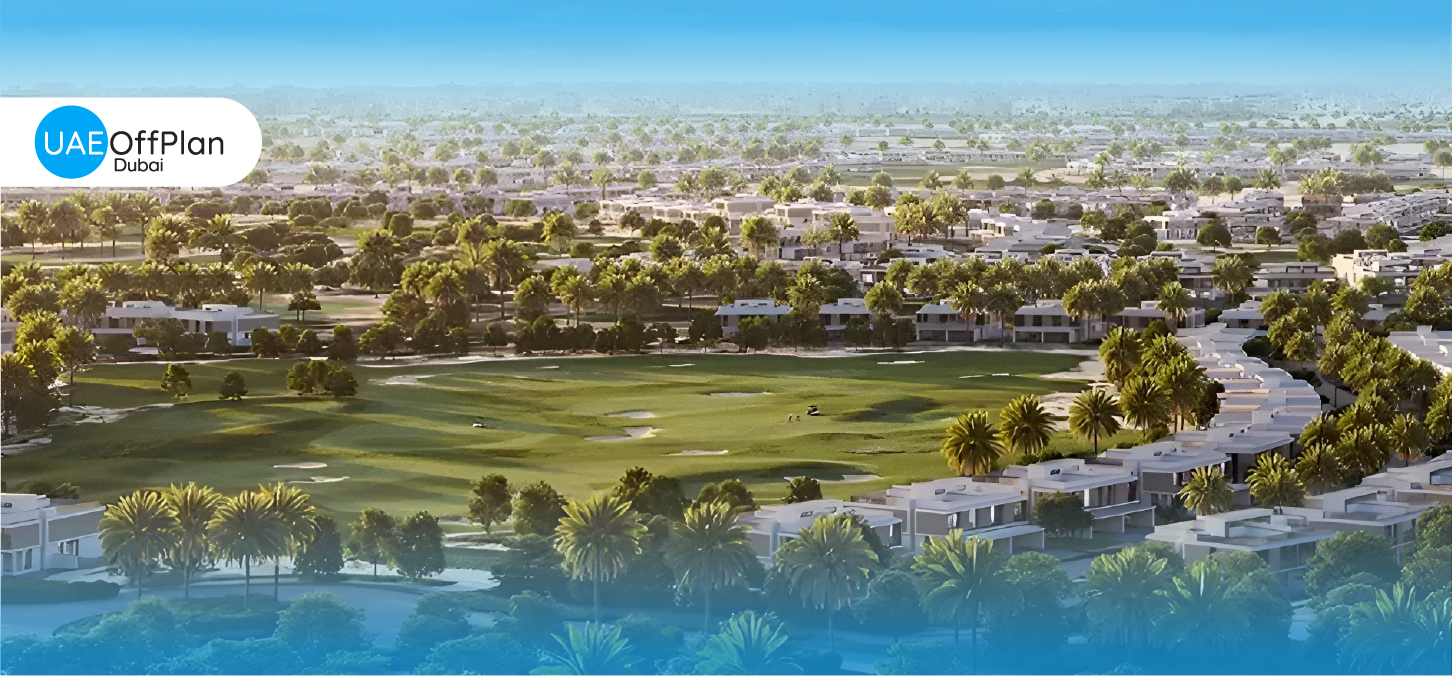
Dubai Hills Estate remains the benchmark for premium villa land. Emaar's master plan ties together a golf course, schools, healthcare, and retail, and that combination keeps both end-users and long-term investors coming back year after year. It's not cheap, but it's rarely oversupplied either.
Jumeirah Village Circle (JVC)
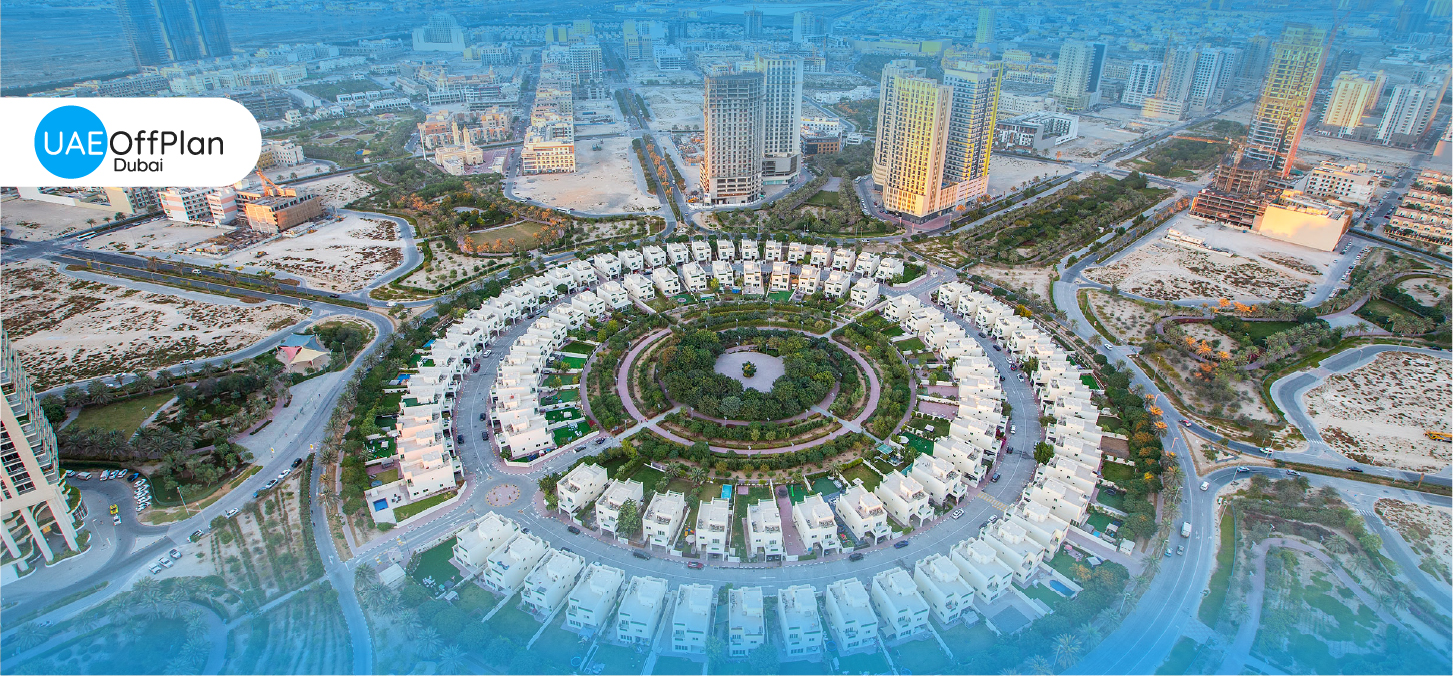
Jumeirah Village Circle is the community that keeps showing up in buyer data, and for good reason. It offers a rare combination of central positioning and genuinely affordable entry pricing. Apartment developers and rental-focused investors dominate demand here, which keeps land values supported even when other segments cool off.
Al Furjan
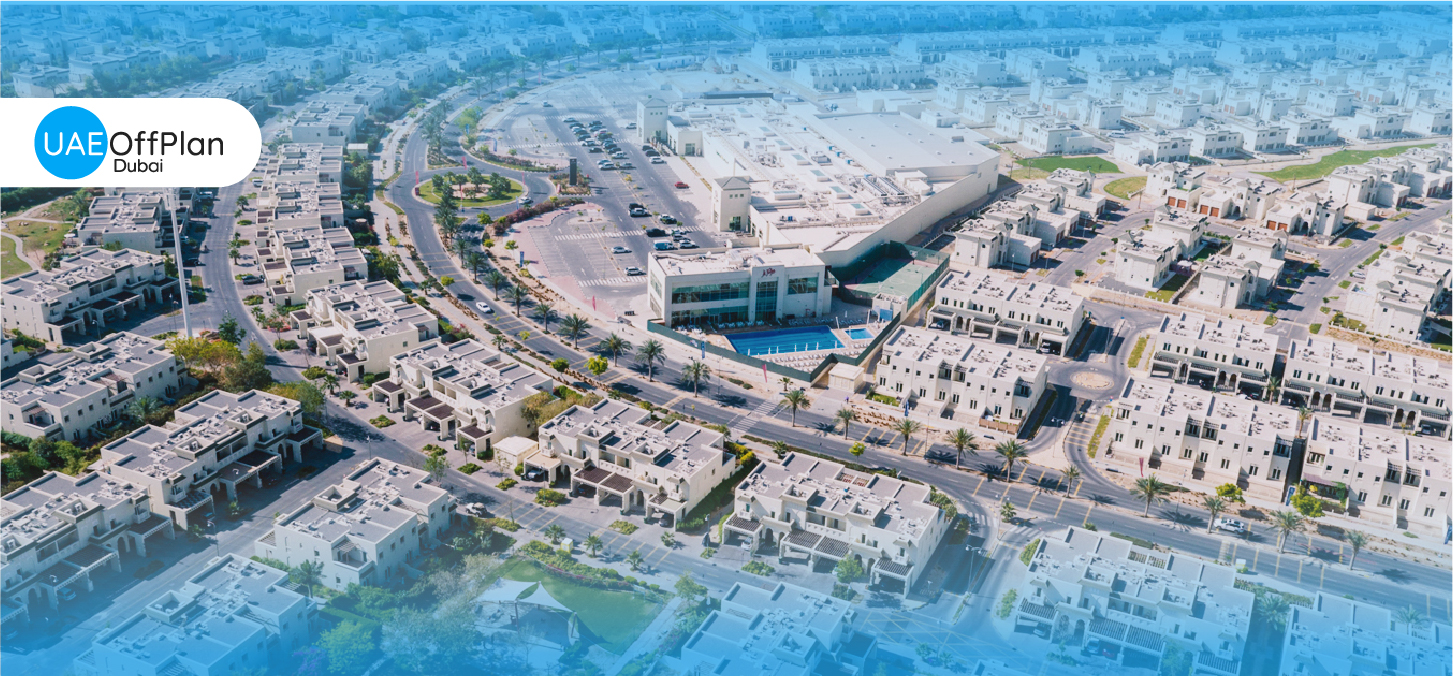
Al Furjan sits in an interesting spot: more affordable than the waterfront communities, but with steadily improving road and metro access. Families looking for a villa plot without a Palm Jumeirah price tag tend to land here.
Nad Al Sheba
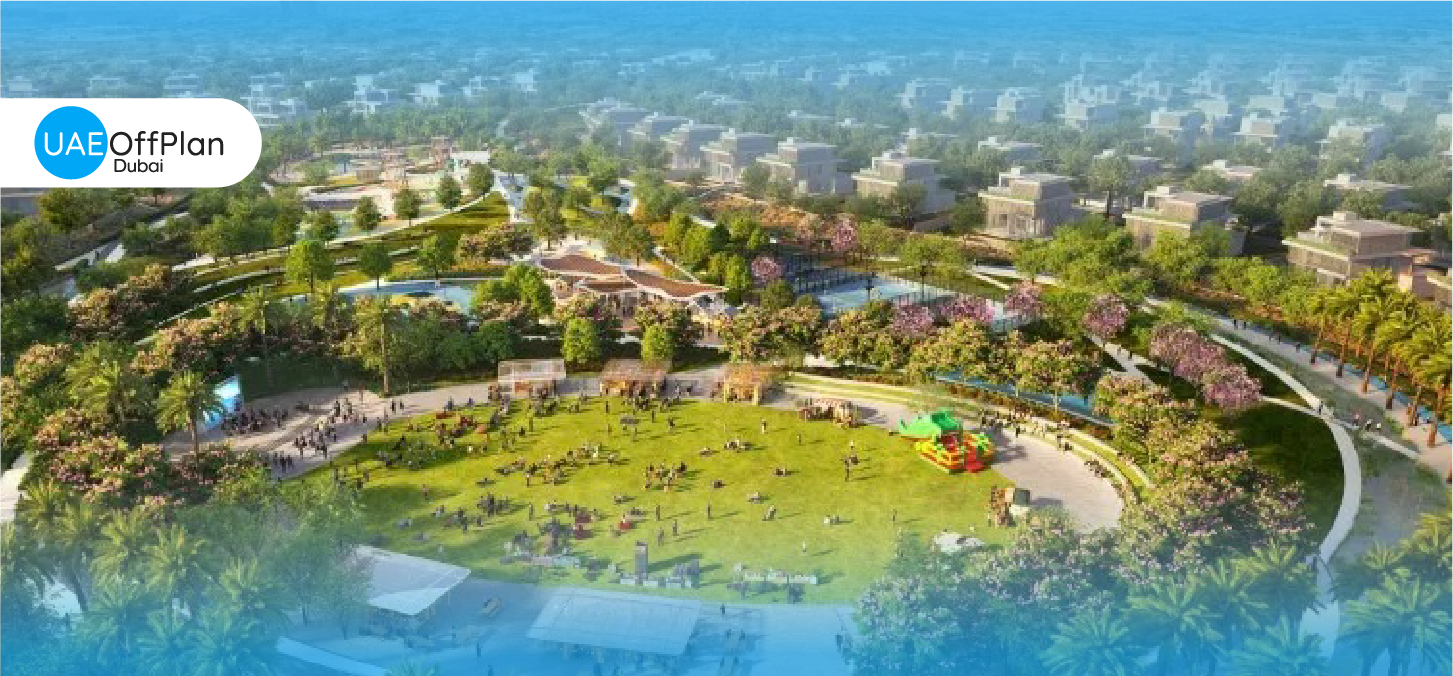
Nad Al Sheba, which picked up an expanded freehold designation in recent years, has become one of the more established villa-plot options close to central Dubai. Larger plot sizes and proximity to schools keep this one trading at a premium relative to newer suburbs, and it's regularly cited among the stronger residential plots in Dubai for buyers who want a shorter commute into the city centre.
Dubai Silicon Oasis
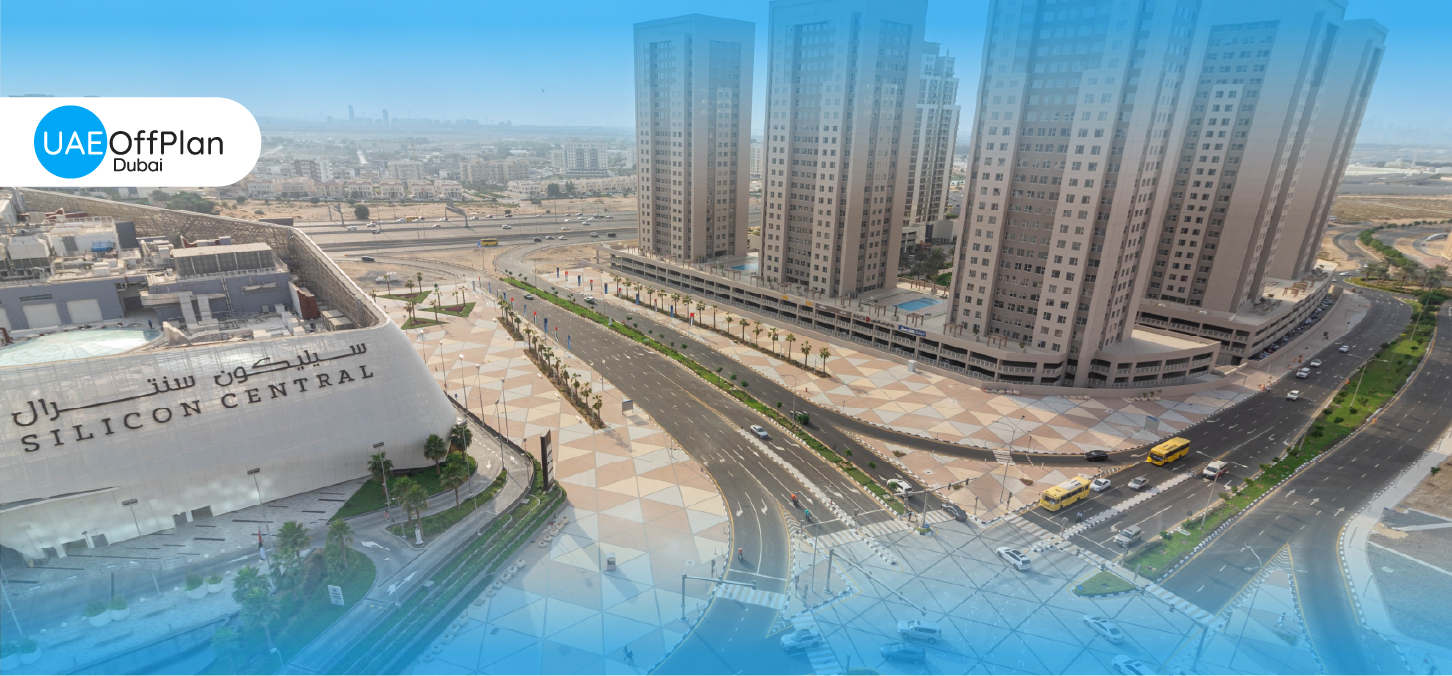
2026 market report flagged DSO as one of the go-to picks for buyers chasing affordability. It stays connected to the city's more established corridors without the price tag that comes with them, which makes it worth a look if budget is your main constraint.
Dubai Sports City
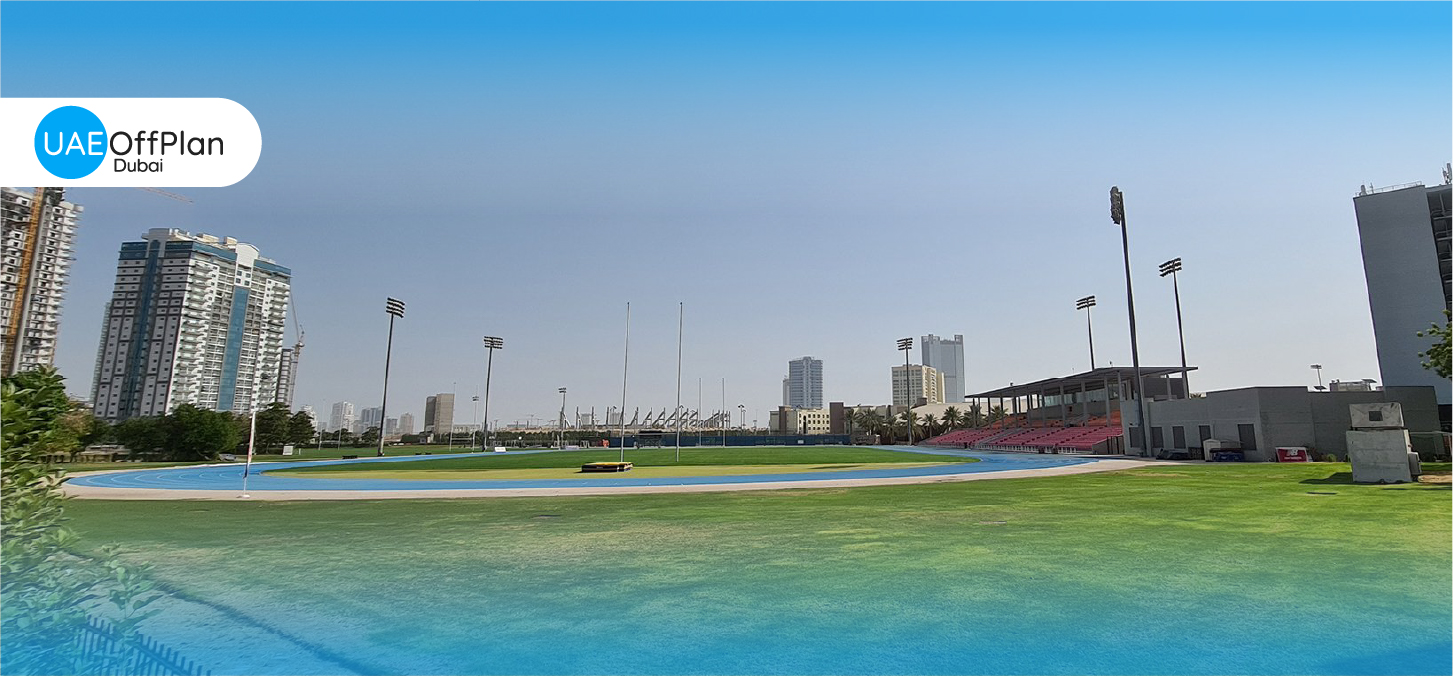
Sports City alongside DSO is an affordable pick that doesn't sacrifice access to established infrastructure. Before you write off residential land on cost alone, this is one of the areas worth checking first.
Where to Buy Commercial Plots in Dubai
Commercial buyers weigh a different set of priorities. Things like foot traffic, transport access, and business density matter more than school proximity or park access.
Business Bay
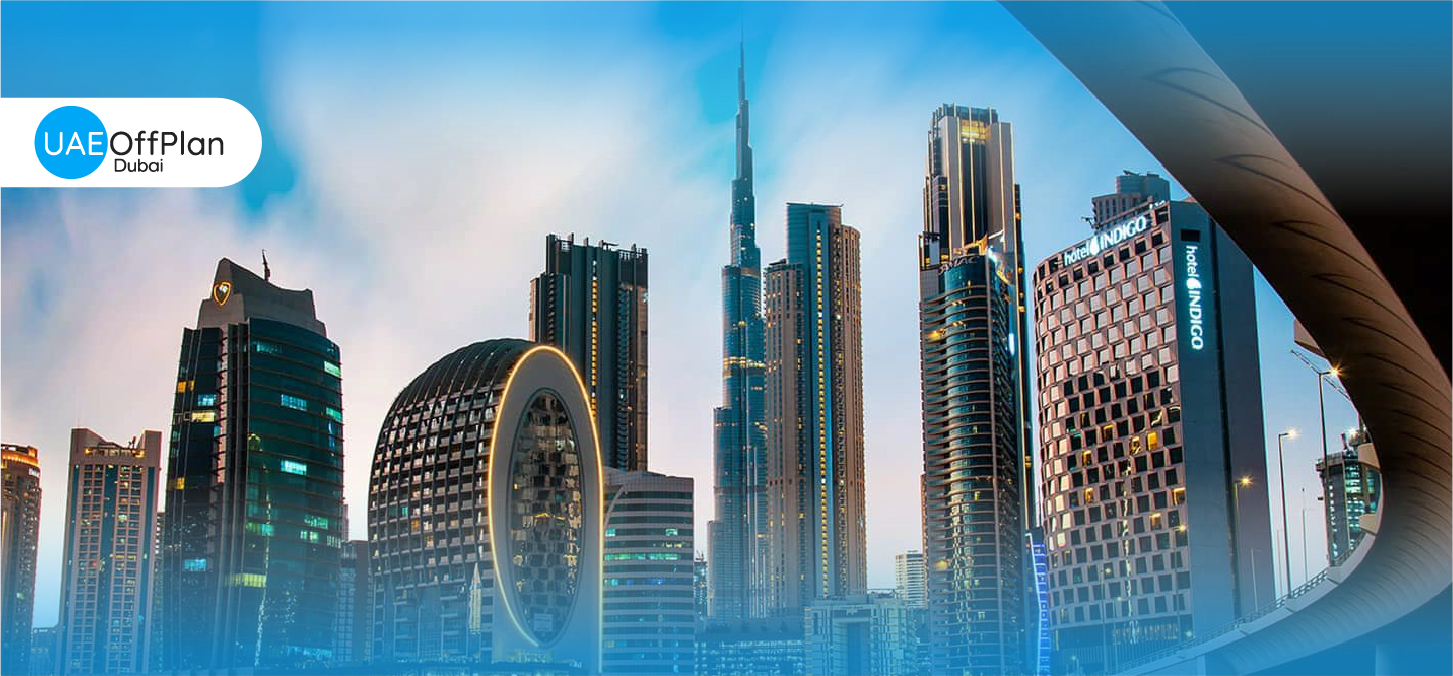
Business Bay continues to be the default answer for office towers, retail, and hospitality projects. It's central, well-connected by metro, and the demand from businesses wanting a presence there hasn't slowed. The trade-off is land availability because there simply isn't much left, which keeps commercial plots in Dubai in this district priced at a premium.
The Dubai International Financial Centre (DIFC)
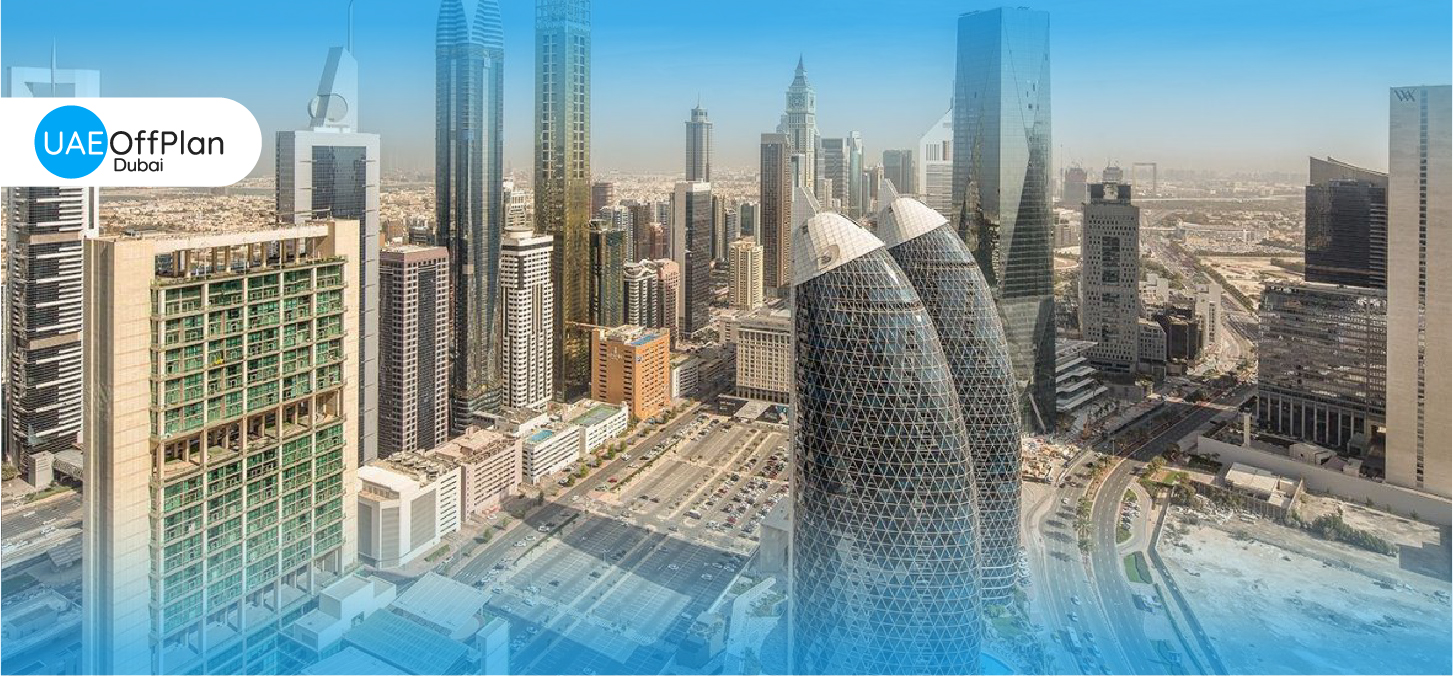
DIFC is built around financial services and premium office space, carrying a brand premium that is reflected in its price per square foot.
Dubai Design District (d3)
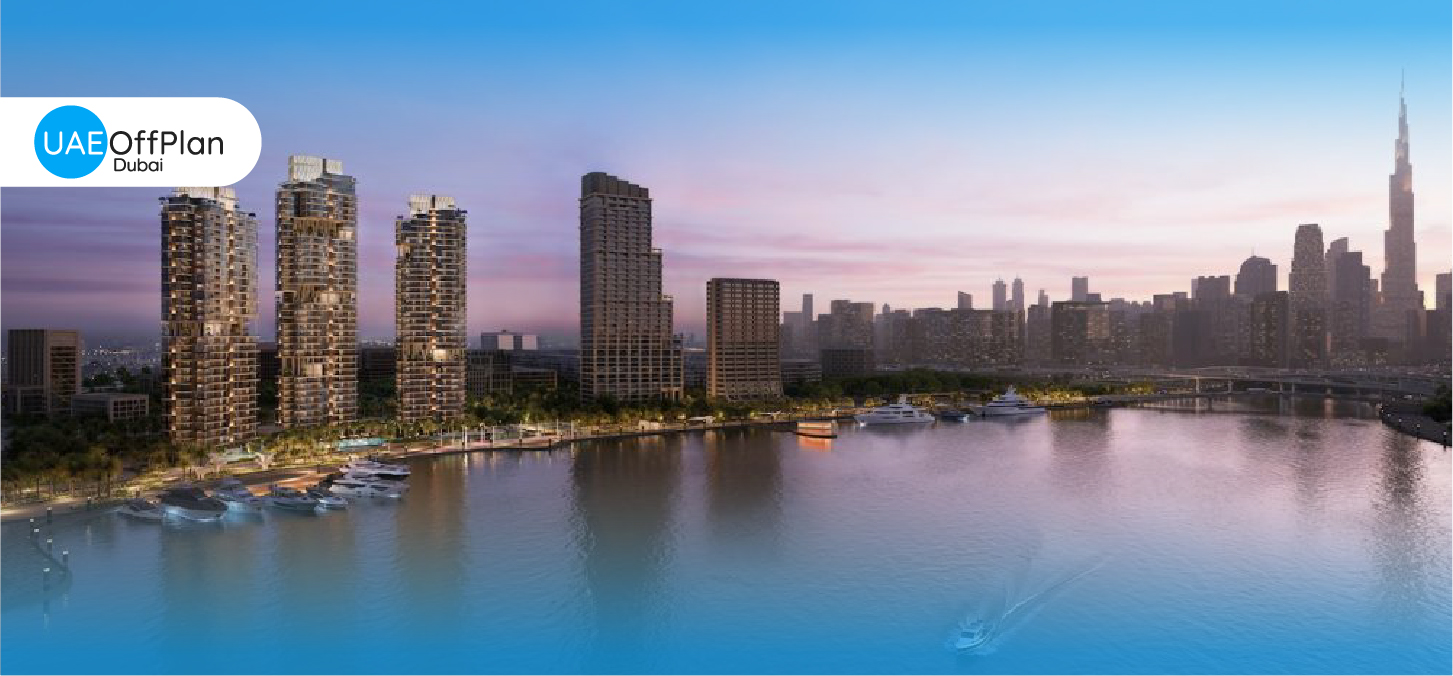
Dubai Design District leans toward creative industries and boutique commercial use, with its specialist positioning also contributing to higher prices per square foot.
Dubai Creek Harbour
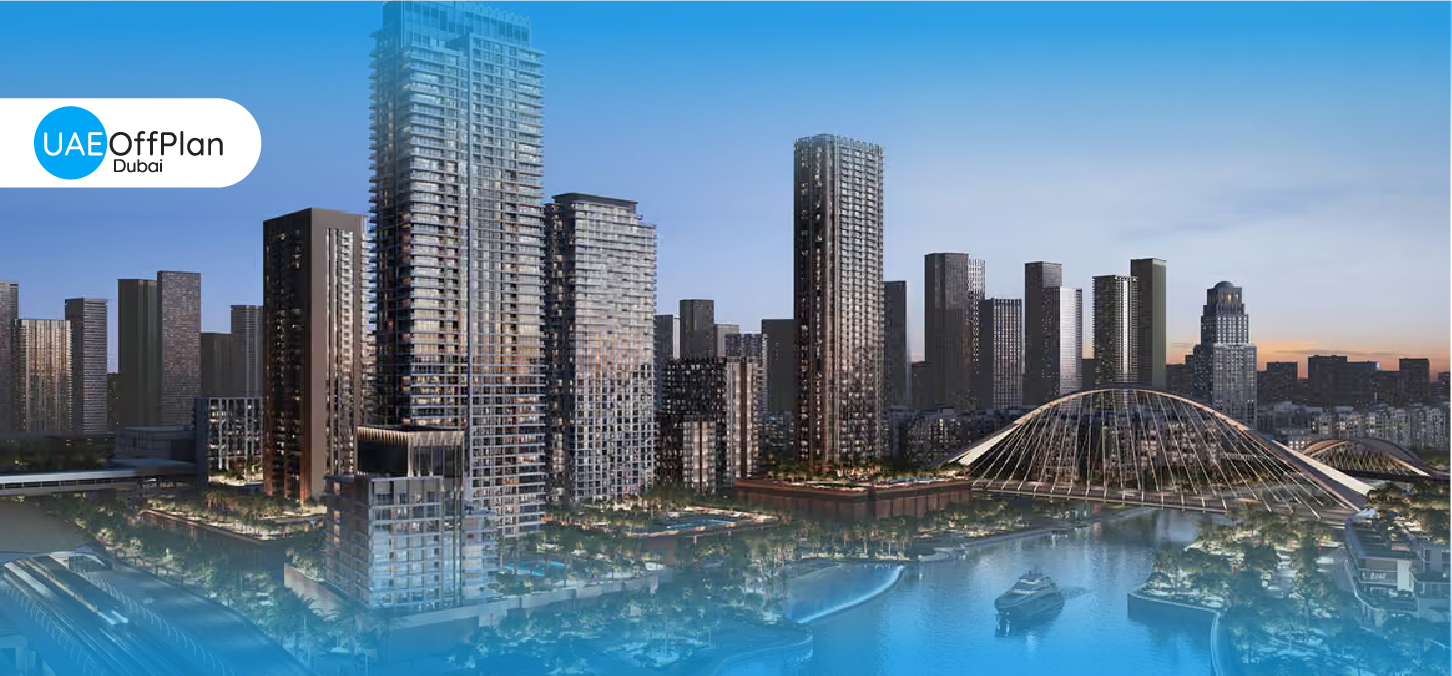
Dubai Creek Harbour is slightly different. It is a large waterfront mixed-use development still being built out, combining residential towers with hospitality, retail, and public space. A lot of investors treat this as a long-term appreciation play rather than a quick flip, given how much of the surrounding infrastructure is still under construction.
Jebel Ali
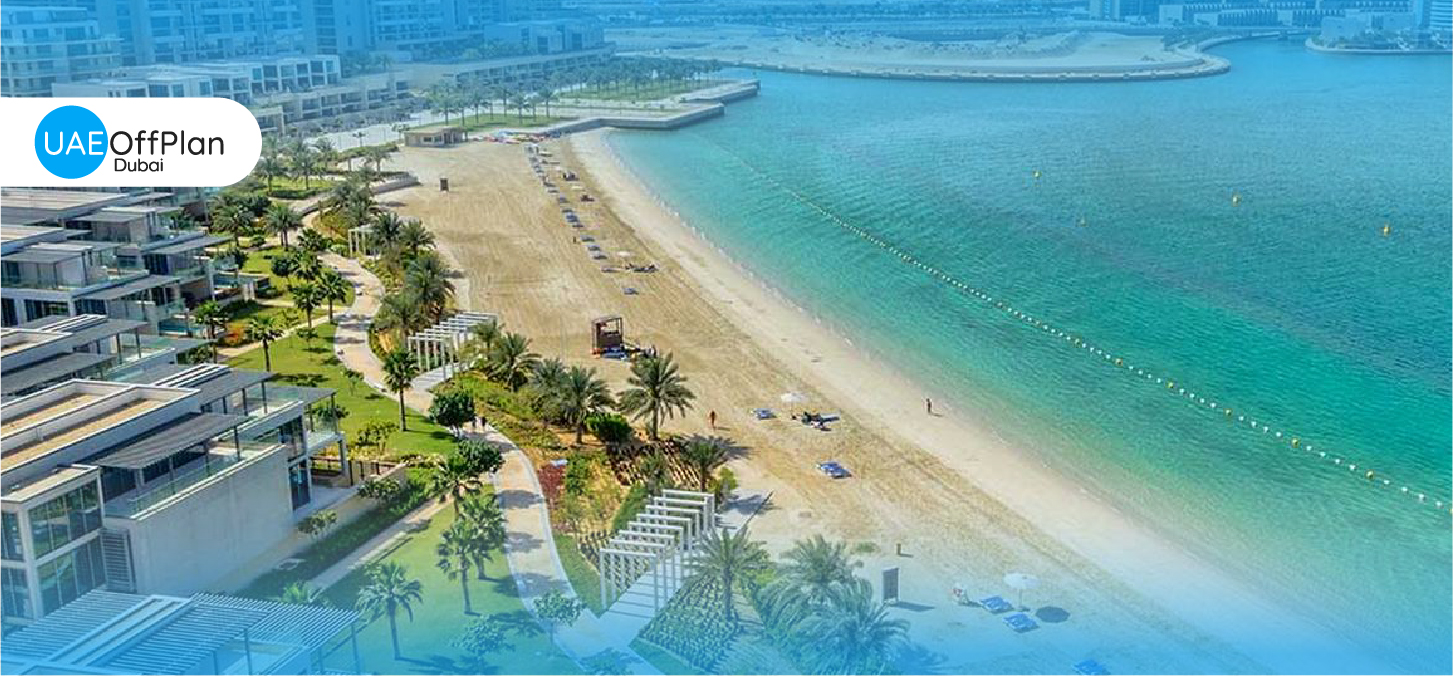
Jebel Ali is the go-to zone if your project is logistics, warehousing, or manufacturing rather than offices or retail. Proximity to Jebel Ali Port makes this area actually useful for operational businesses, not just speculative land banking.
Dubai Investment Park (DIP)
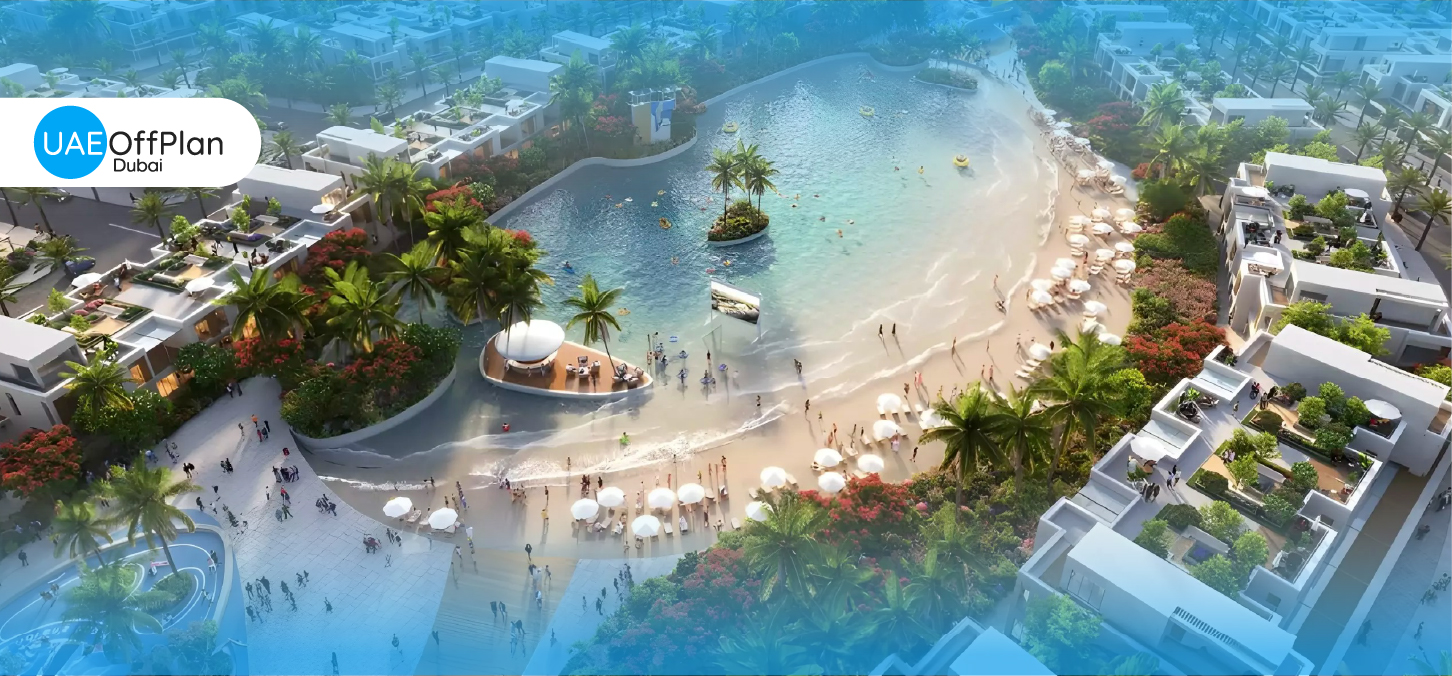
Dubai Investment Park (DIP) rounds this list out. It is a self-contained zone mixing industrial, commercial, and residential land, which works well for buyers who want flexibility on exact use without locking into a single-purpose district.
The Areas Everyone's Watching for Growth
Not every buyer wants immediate returns. Some are specifically choosing to buy land in Dubai in places that are still developing their infrastructure, betting that today's lower entry price outweighs a longer hold.
Dubai South
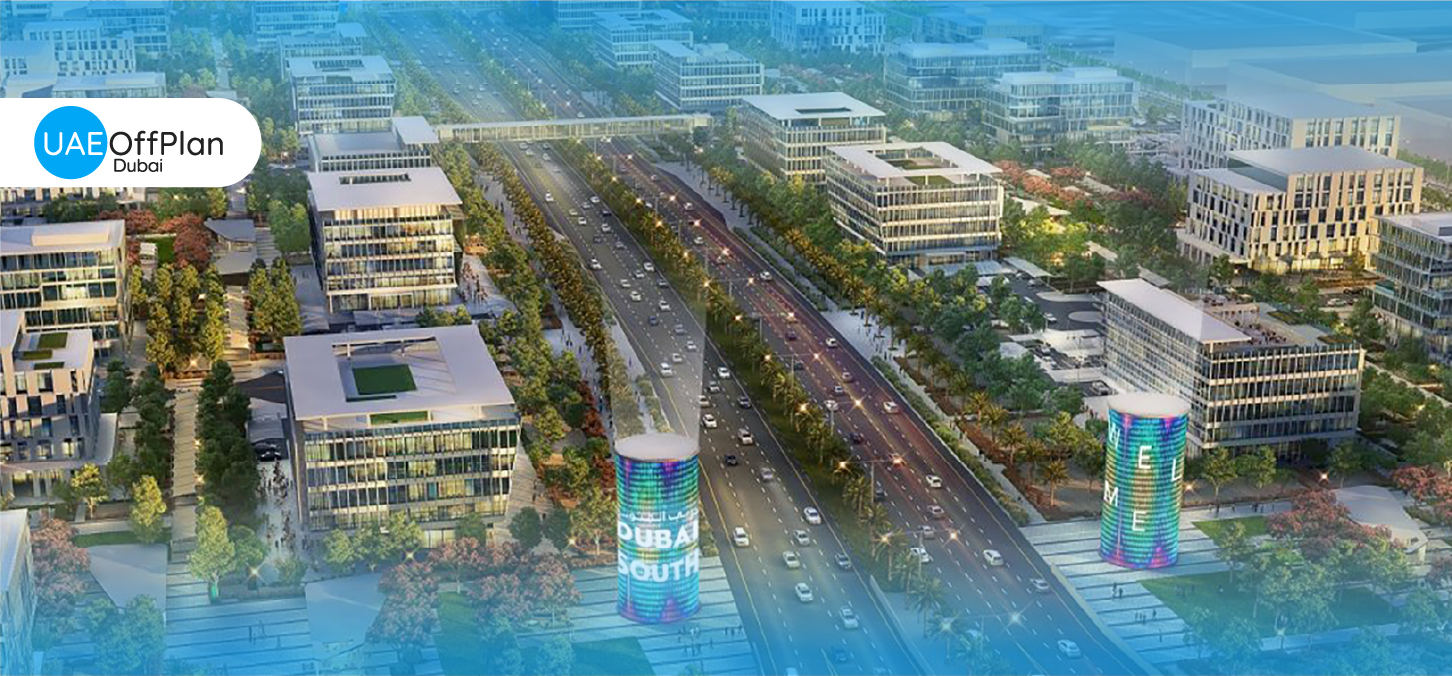
Dubai South is the clearest example. 2026 data recorded price growth of around 3.27% in the area, which sounds modest until you remember that this is happening alongside the Al Maktoum International Airport expansion, which is being built out to eventually become the world's largest airport hub. Land here is still comparatively cheap, and the infrastructure story hasn't finished playing out yet.
Arjan
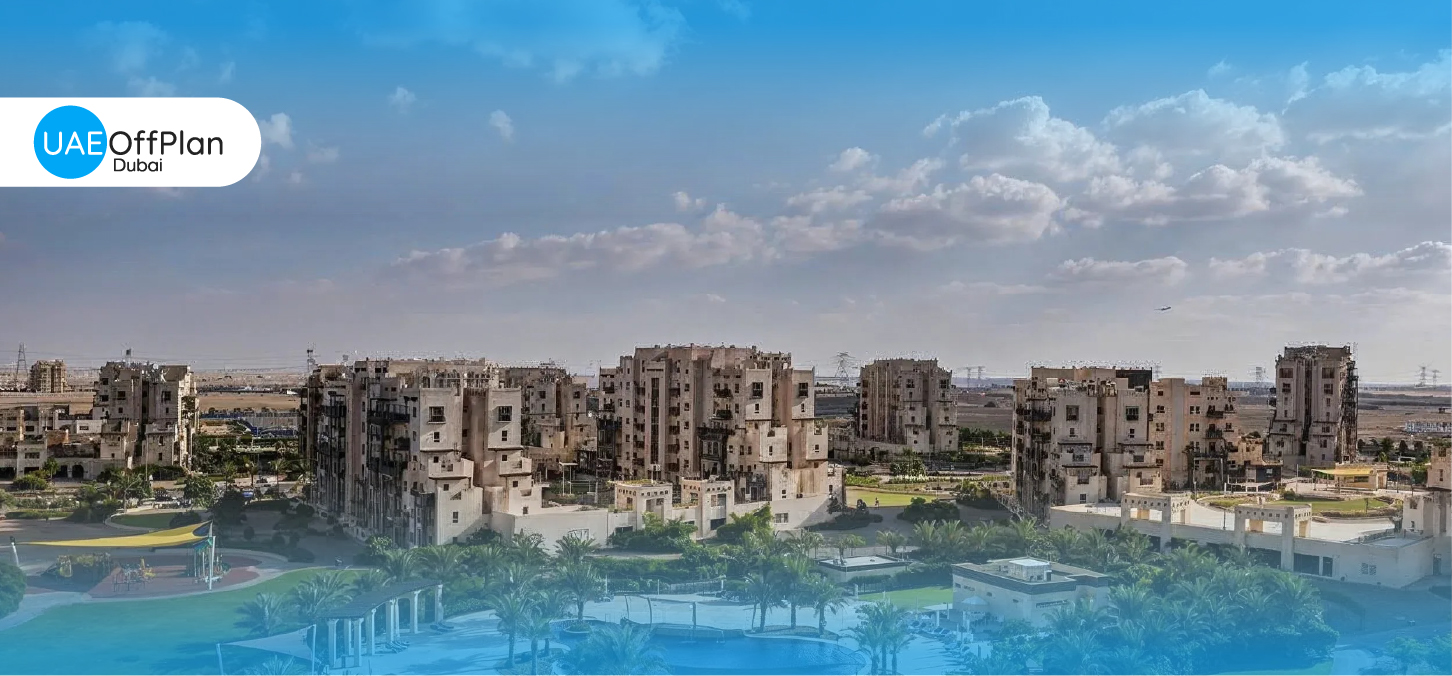
Arjan continues to build a reputation as a mid-market district within Dubailand, with improving road connectivity gradually narrowing the price gap between it and more established neighbours.
Best Areas to Invest in Dubai Real Estate: Residential Land vs. Commercial Land
If you're trying to decide between a residential plot and a commercial one, here's the honest breakdown.
| Factor | Residential Land | Commercial / Mixed-Use Land |
| Demand driver | End-users, renters | Businesses, foot traffic, infrastructure |
| Risk profile | Generally steadier | Higher, with bigger upside potential |
| Capital needed | Moderate to high | Often higher in core business districts |
| Strong picks | Dubai Hills, JVC, Nad Al Sheba | Business Bay, DIP, Jebel Ali |
| Typical horizon | Long-term appreciation | Can move faster, but less predictably |
For most first-time land buyers, residential plots in Dubai within an established freehold community are the more forgiving entry point. The demand is broad, the resale market is deeper, and the construction requirements are usually more straightforward. When people ask me for the best areas to invest in Dubai real estate as a first land purchase, I generally point them toward that residential bracket before suggesting they take on commercial development. There's plenty of time to move into offices or retail plots once you've been through a construction cycle and understand the local cost structure firsthand.
The Legal Homework You Actually Need to Do
This is the part people rush, and it's the part that costs the most money when it goes wrong.
Register through the Dubai Land Department
Every transaction needs DLD registration, and you should budget for the standard 4% transfer fee plus trustee office charges. This is what actually converts your purchase into enforceable freehold title, not just a signed contract.
Get the NOC if you need one
If your plot sits inside a larger master-planned community, you'll likely need a No Objection Certificate from the master developer before ownership can transfer or before you can break ground. It's an easy step to forget when a deal is moving fast, and it's not optional.
Ask about service charges and infrastructure contributions
Some plots, particularly within larger communities, come with ongoing fees that quietly erode your return if you don't factor them in from day one.
Sort financing early if you're not paying cash
Land loans work differently from residential mortgages, so expect larger down payment requirements and more documentation around your intended development plan. Talk to a lender before you make an offer, not after.
A Few Mistakes You Need To Avoid
Buying land in a fast-moving market like Dubai comes with a specific set of traps, and most of them are avoidable if you know to look for them.
Chasing the Cheapest Price Per Square Foot
Sometimes a low price genuinely reflects an emerging area with real upside. Other times it reflects a plot with awkward zoning, no utility access, or a location nobody actually wants to build on. Price alone tells you almost nothing, so always dig into why a plot is cheap before you commit.
Assuming Freehold Status Applies Community-Wide
Freehold status is sometimes confirmed for only part of a community, not the whole area. Verify plot by plot, every time, and don't assume the designation carries over just because a neighboring parcel has it.
Underestimating Construction and Holding Costs
A plot that looks like a bargain on paper can turn expensive fast once you add permits, utility connections, and the inevitable delays that come with any development project. Build a realistic buffer into your budget before you commit, not after ground has already broken.
Who Land Investment Actually Suits
Land isn't for everyone, and that's fine. Plenty of good investors stick to ready units and do very well. But if you're a developer, a business owner needing operational space, or simply someone who wants more say over the finished product than a ready apartment allows, land is worth serious consideration.
| Investor Type | Where to Look |
| Luxury villa developers | Dubai Hills Estate, Palm Jumeirah |
| Long-term, patient investors | Dubai South, Arjan |
| Logistics and industrial businesses | Jebel Ali, DIP |
| Mid-market residential developers | JVC, Al Furjan |
| Commercial and office developers | Business Bay, DIFC |
If you're still weighing whether to buy property in Dubai as a finished unit versus taking on raw land, the real question is how much control you want over the outcome and how comfortable you are managing a construction timeline instead of simply collecting a set of keys.
Where This Leaves You
Land prices in Dubai in 2026 span an enormous range. They start from roughly AED 150 per square foot in emerging Dubai South to well over AED 2,800 in Downtown and the right answer for you depends entirely on what you're building and how long you're willing to wait for it to pay off. Dubai Hills Estate and JVC continue to anchor the residential side of the market, Business Bay and DIFC remain the standard commercial addresses, and Dubai South keeps pulling in investors betting on the Al Maktoum International Airport expansion actually delivering what's been promised.
Whatever segment you end up in, the fundamentals don't really change: confirm freehold status plot by plot, match zoning to your actual project rather than the area's reputation, and price construction and holding costs honestly before you sign anything. Investors who follow that discipline when they buy land in Dubai tend to end up with an asset that performs roughly the way they expected rather than one that quietly disappoints once the real costs show up.